
It’s easy to brush off digestive problems like bloating, pain, or changes in bowel habits as simply due to acidity or stress. But if these symptoms persist for weeks, it might be time to think beyond the usual antacids.
A colonoscopy could be the key to getting to the root cause. These signs are worth investigating further. It’s essential to pay attention before things escalate.
Keep reading to find out more about this test from experts at Reliable Diagnostics, a reputed centre for colonoscopy in South Kolkata.
What is a colonoscopy?
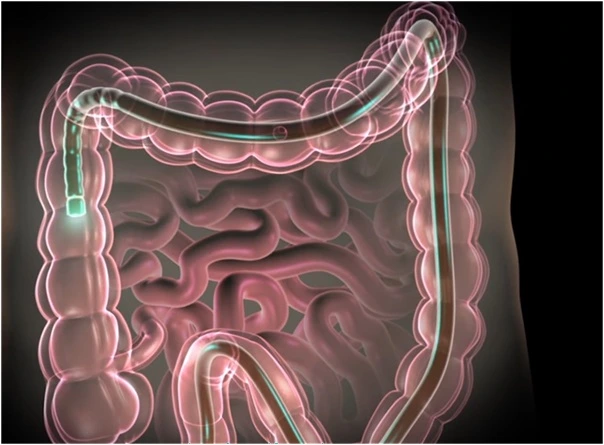
A colonoscopy is a simple, minimally invasive procedure where a doctor uses a long, flexible tube (with a camera) to look inside your colon and rectum. This procedure helps detect abnormalities or signs of disease that might not be visible through other tests.
What the doctor can see during the test
The doctor can spot everything from polyps, inflammation, ulcers, and early signs of cancer. It’s a powerful diagnostic tool that helps your doctor understand exactly what’s going on inside.
Colonoscopy vs Endoscopy
A colonoscopy examines the lower part of your digestive system (colon and rectum), while an endoscopy looks at the upper digestive tract (esophagus, stomach, and duodenum). Both are used to identify different types of digestive issues.
Early signs a colonoscopy can help detect (before problems get bigger)
If you’re experiencing any of the following symptoms, a colonoscopy may be recommended:
Blood in stool or rectal bleeding
Visible blood in your stool or from the rectum can be alarming, and it could indicate polyps or even early signs of colon cancer. A colonoscopy can help detect these issues before they become more severe.
Ongoing diarrhea, constipation, or alternating bowel habits
If your bowel habits change drastically and persist, it may suggest an underlying condition like Inflammatory Bowel Disease (IBD), Crohn’s disease, or other digestive issues that a colonoscopy can diagnose.
Persistent abdominal pain, unexplained weight loss, anaemia-like symptoms
Chronic pain, weight loss without effort, and symptoms of anaemia (like fatigue) can also point to something more serious, such as ulcers, or IBD. A colonoscopy can help pinpoint these problems early on.
Trust Reliable Diagnostics, a reputed centre for colonoscopy in South Kolkata, and find expert guidance.
What conditions can a colonoscopy detect?
A diagnostic colonoscopy helps doctors detect a range of conditions, some of which may be undetectable through routine tests.
Polyps and early cancer changes (screening value)
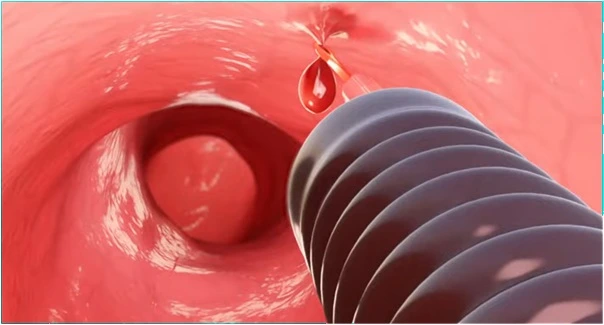
The main benefit of colonoscopy for colon cancer screening is detecting polyps—small growths on the colon lining that can develop into cancer over time. Removing these during a colonoscopy can prevent cancer from developing.
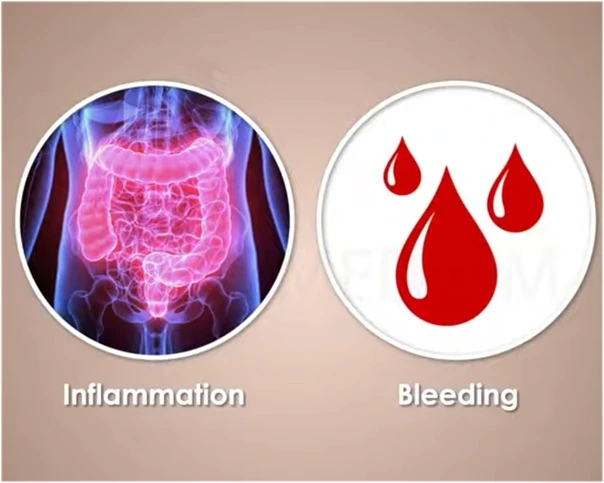
Inflammation (IBD like ulcerative colitis/Crohn’s)
Colonoscopy helps identify Inflammatory Bowel Diseases (IBD), including ulcerative colitis and Crohn’s disease, by looking for signs of chronic inflammation in the colon.
Ulcers, bleeding sources, infection-related changes
Colonoscopy can identify ulcers, sources of rectal bleeding, and changes caused by infections, which can all lead to serious digestive issues if left untreated.
The part everyone fears: preparation (but it’s actually manageable)
The most feared part of a colonoscopy is usually the preparation. But trust us, it’s not as bad as it sounds.
3–5 days before: low-fibre food basics
A low-fibre diet helps reduce the residue in your colon, making it easier to get a clear view during the procedure. Avoid nuts, seeds, and high-fibre foods a few days before your colonoscopy.
1 day before: clear liquid diet rules (what’s allowed, what to avoid)
The day before the procedure, you will need to stick to a clear liquid diet. This includes clear broths, plain tea, or black coffee. Avoid anything with colour, like juices or milk, as they can interfere with the procedure.
Bowel prep drink (PEG) — what to expect and tips to make it easier
You’ll need to drink a solution (often PEG—Polyethylene Glycol) that will cleanse your bowel. While it’s not the most pleasant part, remember, it’s vital for a clear and effective colonoscopy. Take it slowly, and remember that the goal is to get a clean colon for accurate results.
What happens on the day of the procedure?
We have mentioned everything that happens on the day of a scheduled colonoscopy.
Sedation, comfort, and how long it takes
Don’t worry—during the procedure, you’ll be sedated, so you won’t feel anything. The procedure takes about 30 minutes, but you’ll need to rest for a bit after it’s over.
What you can/can’t do after (work, driving, food)
After sedation, you can’t drive or return to work immediately. You should have someone with you to take you home. Also, stick to light food and avoid heavy meals for the rest of the day.
Is colonoscopy safe? Risks, reality, and who needs extra caution
Colonoscopy is generally very safe, but as with any procedure, there are rare complications, such as bowel perforation or bleeding. Older adults, those with heart conditions, or anyone on blood thinners should inform the doctor beforehand.
Understanding your report: what results usually include
After your colonoscopy, you’ll receive a report with findings from the procedure. Here’s what it might include:
Normal findings vs polyps vs biopsy advice
If your colonoscopy shows no issues, your report will be clear. If polyps are detected, you may need a biopsy or follow-up colonoscopy to ensure they aren’t cancerous.
When follow-up is recommended
If anything unusual is found, like inflammation or polyps, the doctor may recommend a follow-up procedure or additional tests to monitor your condition.
Take Charge of Your Digestive Health
If you’ve been experiencing persistent digestive issues, don’t ignore them. Colonoscopy for blood in stool or chronic digestive symptoms can help detect underlying problems before they escalate. Don’t self-diagnose—getting a proper evaluation is the first step to better health.
Schedule your colonoscopy in South Kolkata at Reliable Diagnostics today.
People Also Ask
- What is a colonoscopy, and why is it necessary?
A colonoscopy is a procedure where a doctor uses a flexible tube to view the inside of your colon and rectum. It’s necessary for detecting early signs of colon cancer, polyps, or other digestive issues. - How do I prepare for a colonoscopy?
Preparation involves following a clear liquid diet a day before the procedure and taking a bowel-cleansing solution (PEG). This ensures your colon is clear for the doctor to get accurate results. - Can a colonoscopy detect colon cancer?
Yes, a colonoscopy is a critical screening tool for detecting colon cancer, especially in its early stages when it’s most treatable. It can also find polyps that may develop into cancer. - How long does a colonoscopy take?
A colonoscopy typically takes 20-30 minutes. Afterward, you’ll need to rest for a short time while the sedation wears off before you can go home. - Is a colonoscopy safe?
Colonoscopy is generally safe with minimal risks, such as bleeding or perforation. However, it is important to inform your doctor about any medications or health conditions beforehand. - What conditions can a colonoscopy detect?
A colonoscopy can detect various conditions like polyps, colon cancer, Inflammatory Bowel Diseases (IBD), and sources of rectal bleeding or abdominal pain, helping to diagnose issues early.
