
In the hustle and bustle of daily life, especially for working professionals in Kolkata, health often takes a backseat. Between meetings, deadlines, and family responsibilities, it can feel like there’s never enough time to focus on your well-being. But here’s the reality: many health conditions can silently develop without any immediate symptoms. That’s where routine blood tests for working professionals come into play.
You might be asking yourself, “How often should I really get blood tests?” or “What tests should I focus on as a busy professional?”
This blog aims to answer those questions by offering a clear, practical guide to help you maintain your health, stay ahead of potential issues, and make informed decisions about your well-being.
Why Blood Tests Are Essential for Working Professionals
As a professional, you’re likely balancing a lot of responsibilities and might be dealing with work stress, long hours, and irregular meals. These factors can impact your health over time. That’s why routine blood tests are not just for those who are feeling unwell; they’re an essential part of proactive health care.
Blood tests can reveal early signs of conditions like diabetes, high cholesterol, thyroid issues, and even vitamin deficiencies that might otherwise go unnoticed. Regular blood tests help you take control of your health and avoid future complications, enabling you to perform at your best both in and outside the office.
How Often Should You Do Blood Tests?
The frequency of blood tests for adults largely depends on your age, medical history, lifestyle, and any existing conditions. But there are general guidelines that apply to most working professionals:
1. Annual Blood Tests: The Baseline Check
For most adults, annual blood tests are recommended. These health check-ups for professionals typically include a variety of tests to assess your overall health.
A comprehensive health check-up package might include:
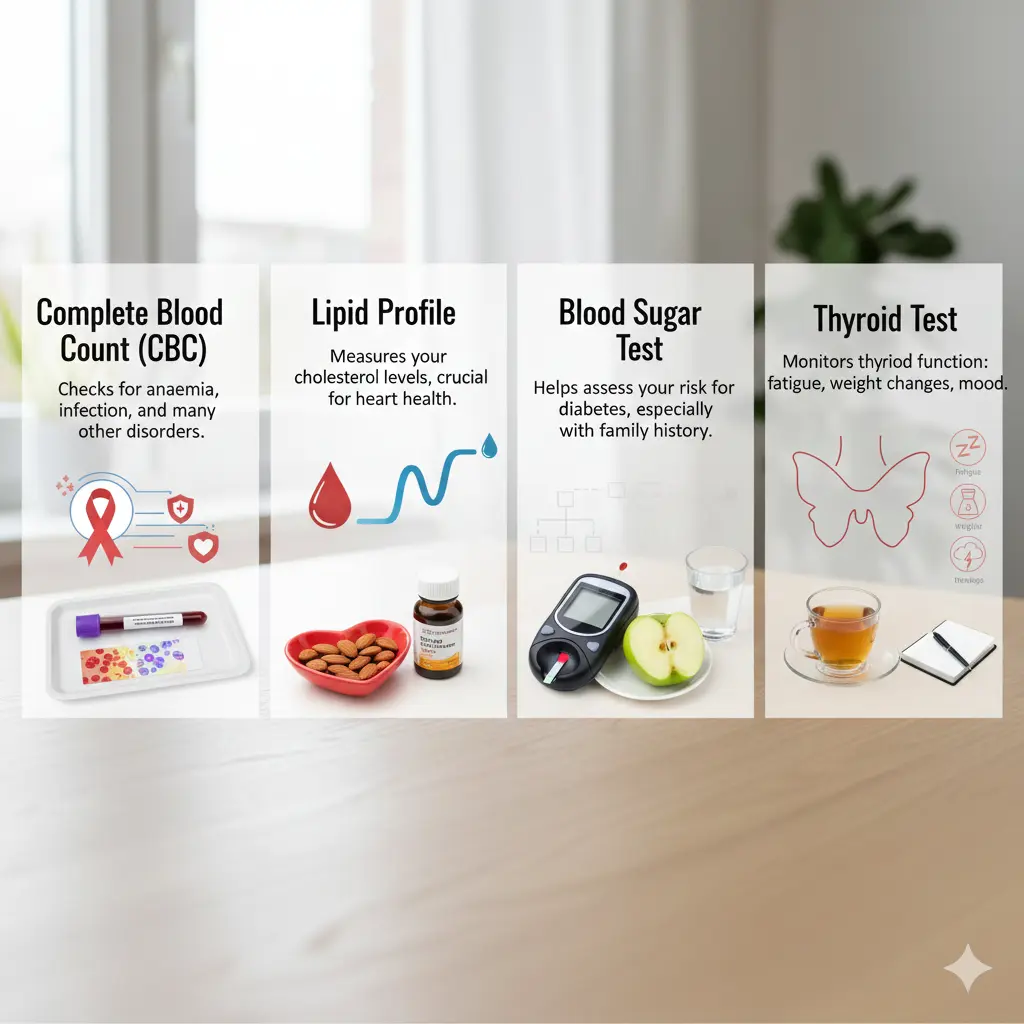
- Complete Blood Count (CBC): This test checks for anaemia, infection, and many other disorders.
- Lipid Profile: Measures your cholesterol levels, which is crucial for heart health.
- Blood Sugar Test: Helps assess your risk for diabetes, especially if you have a family history of the disease.
Thyroid Test: An important test to monitor your thyroid function, particularly if you’re experiencing fatigue, weight changes, or mood swings.
2. Routine Blood Tests for Work-Related Health Check-ups
If your job involves high stress, long working hours, or irregular eating habits, you may need to check your health more frequently. Blood tests for work-related health check-ups often focus on stress-related health issues like high cortisol levels, fatigue, and blood sugar imbalances. These tests can also reveal vitamin deficiencies or cholesterol issues that may be linked to your lifestyle.
3. Tests Based on Symptoms
If you’re experiencing specific symptoms like fatigue, weight changes, or mood swings, it’s important to see your doctor for relevant tests. Some tests to consider are:
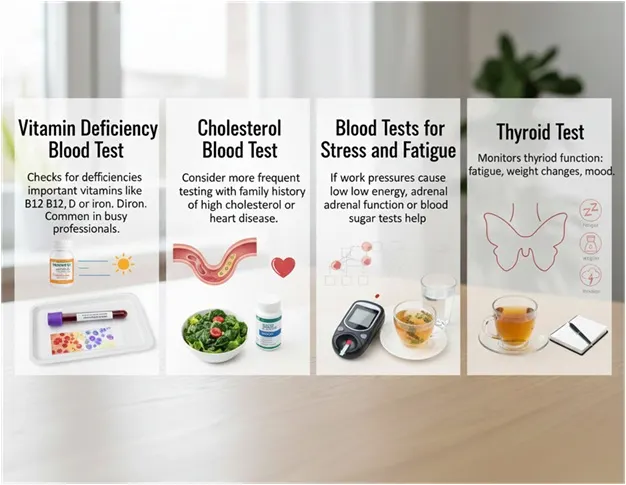
- Vitamin Deficiency Blood Test: To check for deficiencies in important vitamins like B12, D, or iron, which are common in busy professionals who don’t get enough sunlight or eat balanced meals.
- Cholesterol Blood Test: If you have a family history of high cholesterol or heart disease, consider testing more frequently.
- Blood Tests for Stress and Fatigue: If work pressures are taking a toll on your energy, tests of adrenal function or blood sugar levels might be helpful.
4. Age-Related Considerations
As you age, the need for more frequent blood tests increases. Adults over 40 should consider getting a comprehensive blood test package at least once every six months. If you have a family history of chronic diseases, the frequency of tests might need to increase.
Important Blood Tests to Include in Your Check-Up
There are several key blood tests to consider, depending on your health concerns and personal risk factors:
Complete Blood Count (CBC)
A CBC test is one of the most common tests performed during a routine blood test. It provides valuable information about your overall health and can help detect:
- Anaemia
- Infections
- Blood clotting disorders
Lipid Profile / Cholesterol Test
A lipid profile blood test measures your levels of:
- LDL (bad cholesterol)
- HDL (good cholesterol)
- Triglycerides
This test helps assess your risk for heart disease. Given the sedentary lifestyle that comes with many office jobs, a cholesterol blood test is an essential part of your health check-up.
Blood Sugar Test
A blood sugar test is used to diagnose diabetes and pre-diabetes. Regular testing can help you manage your blood sugar levels and avoid the complications of diabetes, which can affect your overall quality of life.
Thyroid Test
Thyroid imbalances are common among adults, especially women. If you’re experiencing symptoms like unexplained weight gain or loss, hair thinning, or fatigue, a thyroid test can help assess whether your thyroid is functioning properly.
Vitamin Deficiency Test
Given the busy lifestyles of working professionals, it’s easy to neglect a balanced diet. A vitamin deficiency blood test can identify deficiencies in:
- Vitamin D
- Vitamin B12
- Iron
These deficiencies can lead to fatigue, weak immune function, and even mood changes. Getting tested can help you take action before deficiencies become a major health issue.
How to Find a Reliable Pathology Lab in South Kolkata
For working professionals, convenience and trust are key when choosing a pathology lab in South Kolkata. Look for a diagnostic centre for blood tests that offers accurate results, professional service, and flexible hours that work with your schedule.
A reliable diagnostic centre will ensure:
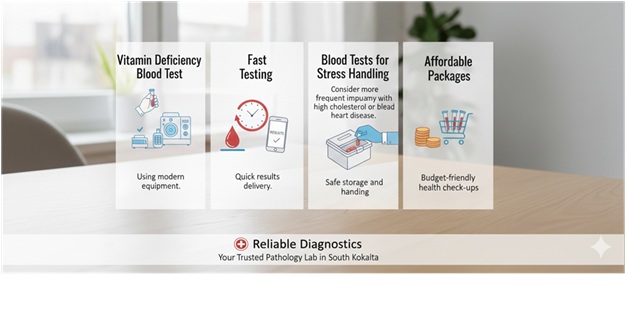
- High-quality testing using modern equipment.
- Fast turnaround times for your results.
- Proper storage and handling of your samples.
Many pathology labs like Reliable Diagnostics also offer affordable blood tests, including packages that combine several tests to help you stay on top of your health without breaking the bank.
Benefits of Regular Blood Tests for Working Professionals
Early Detection of Health Issues
Routine blood tests can help detect conditions early before they develop into more serious health problems. For example, monitoring cholesterol levels and blood sugar can prevent heart disease and diabetes.
Stress Management
For professionals dealing with work-related stress, blood tests can reveal imbalances such as elevated cortisol levels or vitamin and mineral deficiencies. Addressing these imbalances early can improve energy levels and overall well-being.
Preventive Healthcare
Regular testing is an investment in your long-term health. By identifying risk factors early, you can take preventive measures that save you time, money, and health complications down the line.
Be in Control of Your Health with Regular Blood Tests
As a working professional in Kolkata, it’s crucial to stay on top of your health with regular blood tests. Whether you’re looking for affordable blood tests or a diagnostic centre for routine tests, getting tested at the right intervals can help you manage your health and prevent potential complications down the line.
Regular testing, combined with a balanced diet and stress management, will ensure you remain at your best, both at work and in life. So, schedule your blood tests today and take charge of your health. Call 98740 15284 to know more.
People Also Ask
1. How often should I get a blood test?
For most adults, an annual blood test is recommended to monitor overall health. However, depending on your age, family history, and lifestyle, your doctor may recommend more frequent tests.
2. What are the most common blood tests for adults?
Common blood tests include a Complete Blood Count (CBC), cholesterol test, blood sugar test, and thyroid test. These tests give a comprehensive view of your health.
3. What is a complete blood test package?
A complete blood test package typically includes a range of tests such as CBC, lipid profile, blood sugar, and thyroid function tests. It provides a thorough overview of your health.
4. How do I know if I need a blood test for stress?
If you’re feeling fatigued, anxious, or experiencing physical symptoms such as headaches or digestive issues, a blood test for stress and fatigue can help identify potential causes, such as hormone imbalances or deficiencies.
5. Are blood tests for vitamin deficiencies common in adults?
Yes, especially for working professionals with irregular diets. Tests for vitamin D, B12, and iron deficiencies are common and can help manage symptoms such as fatigue and low immunity.
